

Respuesta rápida
Lo ideal es planificar el viaje a Jamaica como una combinación de experiencias geográficas y culturales, en lugar de verlo simplemente como una zona de complejos turísticos. Elige tu base en función del tipo de viaje que realmente deseas, calcula tiempos de traslado realistas y ten listos los datos móviles, los mapas sin conexión, las entradas y el transporte antes de necesitarlos.
Empiece por definir el tipo de viaje
Jamaica recompensa a los viajeros que la conciben como varios viajes en uno. Kingston es la capital cultural y creativa; Montego Bay es una importante puerta de entrada aérea y base de complejos turísticos; Ocho Ríos está repleto de cascadas y atracciones; Negril gira en torno a días de playa y atardeceres; Portland y la Costa Sur se viven a un ritmo más pausado y auténtico. Las distancias parecen cortas en el mapa, pero las carreteras de montaña, el tráfico y las paradas hacen que los tiempos de desplazamiento sean un factor clave al planificar.
La forma más práctica de planificar un viaje a Jamaica es decidir qué tipo de días desea disfrutar antes de empezar a seleccionar atracciones concretas. Un viaje centrado en la playa, un fin de semana de eventos, una escapada gastronómica y cultural o un recorrido por varias regiones pueden comenzar en el mismo aeropuerto, pero requieren bases, medios de transporte y planes de datos muy diferentes. Deje margen suficiente para los aspectos de un viaje por el Caribe que no aparecen en el mapa: el tráfico, los horarios de ferris o vuelos, el clima, las aglomeraciones en eventos y la tentación de detenerse en algún lugar que no había planeado inicialmente.
Dónde alojarse
Kingston y St. Andrew
Elija Kingston para disfrutar de la historia de la música, museos, galerías, gastronomía, vida nocturna y una perspectiva más urbana de Jamaica. También es una excelente base para visitar las Blue Mountains (Montañas Azules).
Montego Bay y el noroeste
Una base práctica de llegada para muchos visitantes, que ofrece playas, vida nocturna, golf y acceso a Falmouth, la costa norte y el oeste de Jamaica.
Ocho Ríos y la costa norte
Ideal para viajeros que buscan una gran concentración de cascadas, cuevas, parques de aventuras y opciones sencillas para excursiones de un día.
Negril y el oeste
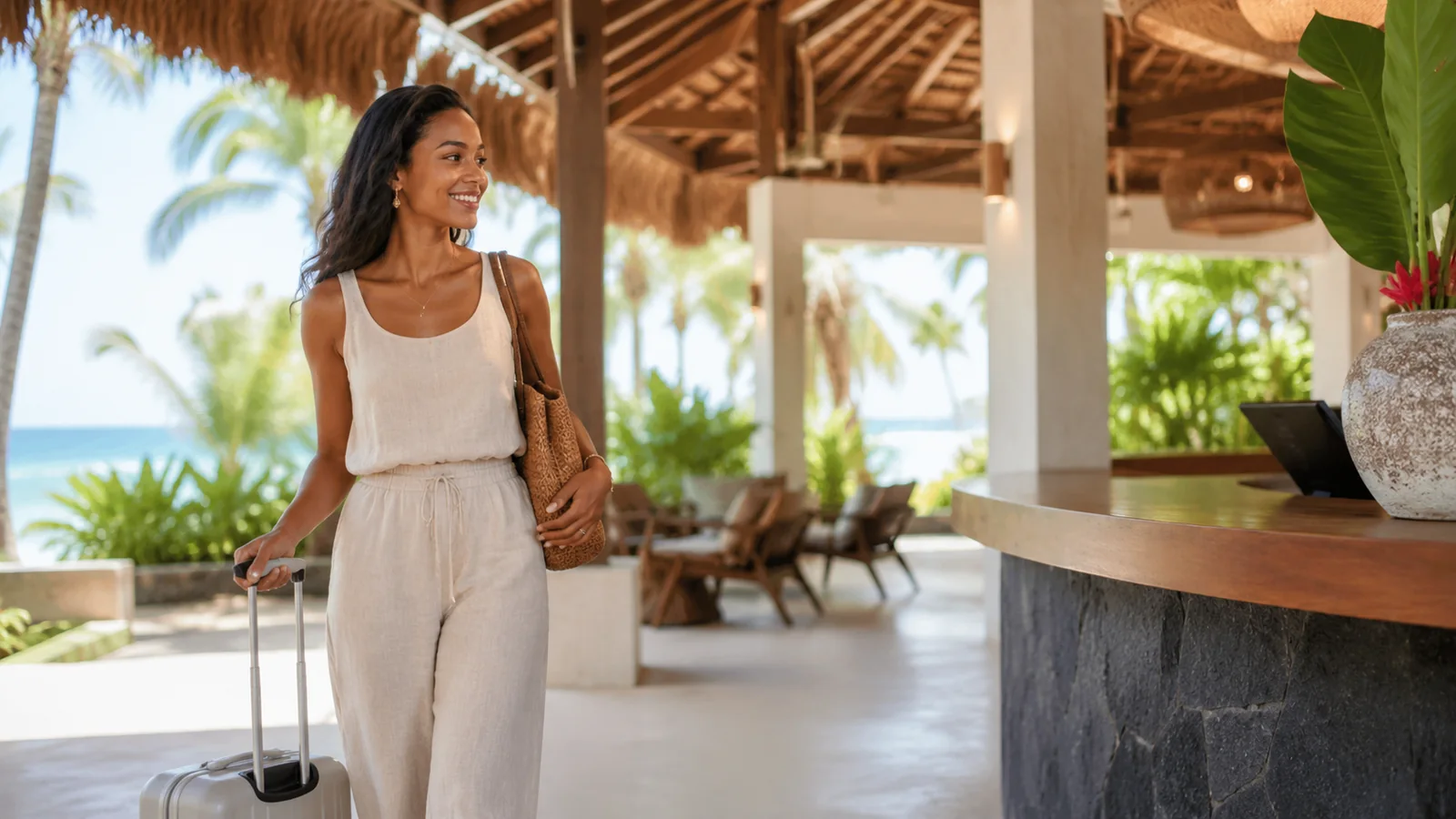
Seven Mile Beach, atardeceres desde los acantilados y un ritmo más pausado hacen de Negril una excelente opción para viajes centrados en la playa y fines de semana de eventos.
Portland y el este
Boston Bay, Reach Falls, Blue Lagoon y paisajes exuberantes son perfectos para viajeros que buscan naturaleza, buena gastronomía y la experiencia más relajada de un viaje por carretera.
Costa sur
Treasure Beach, YS Falls, Black River y Appleton Estate son ideales para viajeros que prefieren evitar las multitudes de los complejos turísticos y disfrutar de recorridos en coche entre una experiencia y otra.
Experiencias prioritarias
1. Escalar las cataratas del río Dunn (Dunn’s River Falls)
Una de las experiencias de cascadas más famosas de Jamaica, cerca de Ocho Ríos; llegue temprano o reserve una visita con horario programado para evitar las aglomeraciones.
2. Nadar en Island Gully Falls / Blue Hole
Una aventura de río y cascadas en la zona de Ocho Ríos que incluye pozas, saltos y guías; es importante llevar calzado adecuado y protección impermeable para el teléfono.
3. Hacer senderismo o una excursión por las Montañas Azules (Blue Mountains)
Disfrute del aire fresco, la región cafetera, las vistas del amanecer y un paisaje totalmente distinto al de la costa.
4. Visitar el Museo de Bob Marley
El museo de Kingston, ubicado en la antigua casa de Marley, ofrece un contexto esencial para comprender la influencia musical de Jamaica a nivel mundial.
5. Sumergirse en la cultura de Trench Town
Explore la historia musical de la comunidad a través de experiencias culturales guiadas, en lugar de limitarse a una parada rápida para tomar fotos.
6. Visitar la Galería Nacional de Jamaica
Una excelente introducción al arte visual jamaicano y caribeño en Kingston.
7. Comer un helado o recorrer Devon House
Esta histórica propiedad de Kingston es una parada cultural y gastronómica ideal, especialmente si se combina con una visita a los museos o a las zonas de Half-Way-Tree y New Kingston.
8. Explora Port Royal
Descubre esta ciudad portuaria fortificada, así como su historia marítima y los terremotos que la afectaron, situada a orillas de la bahía de Kingston.
9. Navega en balsa por el río Martha Brae
Una tranquila experiencia de navegación en balsas de bambú cerca de Falmouth, ideal para realizar en el trayecto entre Montego Bay y Ocho Ríos.
10. Navegar en balsa por el río Grande
La consolidada tradición de navegación en balsa de Portland combina paisajes fluviales con una jornada más tranquila en la costa este.
Cómo desplazarse
Jamaica puede recorrerse en coche de alquiler, taxis de ruta (compartidos), autobuses públicos, traslados privados, vehículos turísticos y vuelos nacionales. El transporte público es abundante en las principales localidades, mientras que disponer de coche o conductor ofrece mayor flexibilidad para itinerarios que abarcan varias regiones. Conviene planificar los tiempos de desplazamiento con margen, ya que las rutas de montaña, el tráfico urbano y las condiciones meteorológicas pueden alterar rápidamente los planes del día.
Traslado privado o conductor contratado
La mejor opción para traslados al aeropuerto, salidas nocturnas y viajeros que deseen recorrer largas distancias sin tener que conducir ellos mismos.
Coche de alquiler
Útil para visitar Portland, la costa sur y realizar viajes por carretera con varias paradas. En Jamaica se conduce por la izquierda; verifique los requisitos del permiso de conducir, el seguro, el combustible y las condiciones de aparcamiento antes de aceptar el vehículo.
Autobuses públicos
Las principales localidades cuentan con servicios de autobús y la autoridad turística de Jamaica indica que el transporte público está fácilmente disponible. Infórmese localmente sobre las terminales y las rutas actuales en lugar de fiarse de los horarios que aparecen en artículos antiguos de blogs.
Taxis de ruta (compartidos)
Una opción habitual para desplazamientos locales por rutas establecidas. Confirme el destino y la tarifa antes de subir y lleve efectivo en billetes pequeños.
Vuelos nacionales
Una opción específica para cuando el tiempo apremia y los horarios coinciden; Compare el tiempo total de puerta a puerta con el de conducir.
Excursiones y servicios de traslado
Para visitar cascadas, hacer rafting o conocer lugares remotos, una excursión que incluya el transporte puede resultar más sencilla que organizar varios traslados por separado.
Qué comer durante su estancia
La gastronomía forma parte de la esencia del destino, no es un añadido opcional. Utilice los platos locales para comprender la geografía, la historia y el ritmo del lugar, y deje espacio tanto para restaurantes consolidados como para locales informales.
Jerk
Pruebe el pollo o el cerdo al estilo *jerk* en algún puesto de carretera o establecimiento especializado de renombre; el ahumado, la madera de pimiento y los condimentos son parte de la experiencia, no solo el picante.
Ackee con pescado en salazón
Es el plato nacional de Jamaica; se consume sobre todo en el desayuno y merece la pena probarlo acompañado de *dumplings* fritos, fruta del pan o tubérculos hervidos.
Empanadillas de carne o pollo
Un tentempié práctico para los días de ruta; compare los estilos de las panaderías y pregunte por el *coco bread* si busca algo más contundente.
Curry de cabra
Un plato típico de celebraciones y restaurantes que refleja la influencia del sur de Asia en la isla.
Rabo de toro
Cocinado a fuego lento y muy sabroso; suele servirse con arroz con guisantes y verduras.
Pescado al estilo *escovitch*
Pescado frito cubierto con verduras encurtidas y bien condimentadas; una excelente opción para un almuerzo costero.
Digital Continuity antes de aterrizar
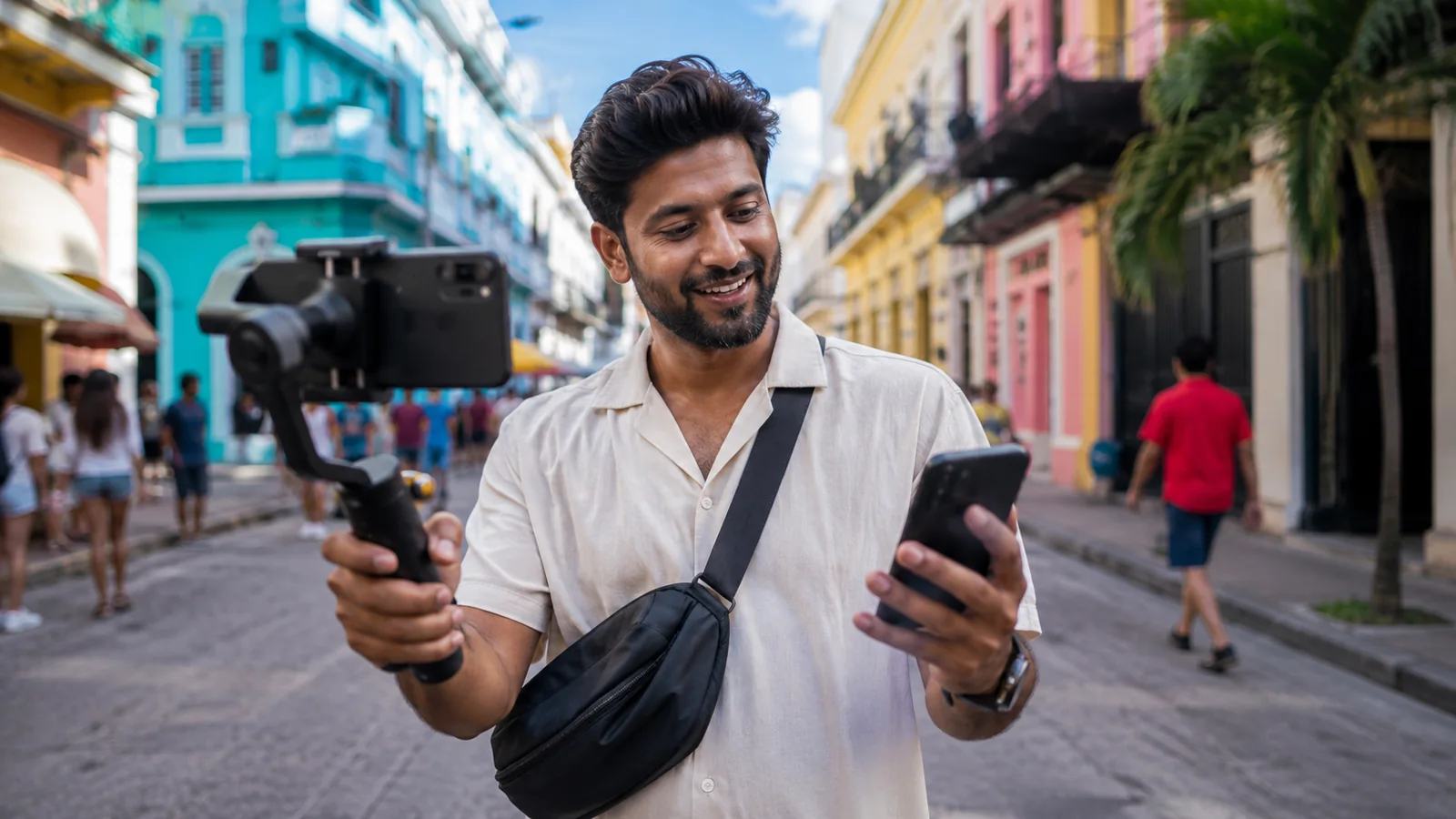
Los viajes a Jamaica suelen combinar traslados desde el aeropuerto, desplazamientos por carretera, comunicación con conductores u operadores turísticos, mapas, reservas y entradas para eventos. El objetivo práctico no es estar conectado a todas horas, sino evitar perder el acceso a las herramientas que facilitan los desplazamientos cuando se está fuera del alcance del Wi-Fi del hotel.
- Instala y prueba tu eSIM de viaje mientras aún dispongas de una conexión Wi-Fi fiable.
- Guarda sin conexión la dirección de tu alojamiento, los detalles del traslado al aeropuerto, las entradas y las confirmaciones clave.
- Descarga un mapa sin conexión de las zonas del destino por las que prevés conducir o que planeas explorar.
- Lleva una batería externa cargada para los días de rutas largas, visitas a la playa, festivales o desplazamientos entre islas.
- Reserva suficientes datos móviles para navegación, mensajería, reservas y transporte antes de priorizar la subida de archivos multimedia pesados.
Un ritmo práctico para el primer viaje
En tu primera visita, evita cambiar de hotel cada noche solo por visitar más lugares. Organiza el viaje en dos o tres zonas geográficas, dedica uno o dos días a experiencias más profundas entre los días de traslado y deja el último día más libre si tienes un vuelo o un ferry que tomar. Si el motivo del viaje es asistir a un evento, planifica primero la logística del mismo y luego organiza las visitas turísticas en torno a las fechas fijas del calendario.
Qué verificar antes de viajar
Consulta la información oficial actualizada sobre turismo, aeropuertos, ferris, eventos y atracciones justo antes de viajar. Los horarios de apertura, las fechas de los eventos, las normas de las entradas, el estado de las carreteras y los horarios de transporte pueden cambiar. Las guías *Nomadic Guides* están diseñadas para ofrecerte una estructura del viaje; los enlaces oficiales incluidos en esta guía son el lugar indicado para verificar los detalles sujetos a cambios.
Preguntas frecuentes de los viajeros
Respuestas directas.
¿Cuántas zonas de Jamaica debería combinar?
Para un primer viaje, suele ser más gratificante organizar la estancia en dos o tres zonas geográficas que cambiar de hotel cada noche. Planifica el viaje en torno a las experiencias más importantes y reserva tiempo para los traslados.
¿Necesito datos móviles en Jamaica?
Es muy útil para mapas, transporte, mensajería, reservas y cambios de última hora. Instala tu eSIM de viaje antes de llegar y guarda copias sin conexión de la información esencial por si acaso.
¿Debería reservarlo todo antes de viajar?
Reserva primero las experiencias con aforo limitado, los traslados importantes y las entradas para los eventos principales. Deja tiempo libre para disfrutar de la playa, la gastronomía y los barrios alrededor de las actividades fijas del itinerario.