

Schnelle Antwort
Iss nicht nur im Hotel oder ein einziges berühmtes Gericht. Eine gute kulinarische Saint-Lucia-Reise verbindet lokale Klassiker, Märkte oder einfache Verkäufer, regionale Meeresfrüchte oder Produkte und moderne Restaurants — mit Flexibilität für Saisonangebote und lokale Empfehlungen.
Beginne mit der Esskultur
Eine gute kulinarische Reise in Saint Lucia ist keine Liste von Gerichten aus einem einzigen Restaurant. Verbinde lokales Frühstück, Märkte oder Straßenstopps, geografisch passende Meeresfrüchte, traditionelle Gerichte, moderne Küchenchefs und mindestens einen Ort, dessen Atmosphäre zum Erlebnis gehört. Frage nach Saisonangeboten und dem, was Einheimische dort tatsächlich bestellen.
Lokale Gerichte und Aromen kennenlernen
Green fig and saltfish
Saint Lucias Nationalgericht verbindet grüne Banane und gesalzenen Fisch und ist ein guter Einstieg in die lokale Küche.
Bouyon
Eine kräftige Suppe oder ein Eintopf mit stärkehaltigem Wurzelgemüse, Teigklößen und Fleisch oder Fisch.
Callaloo-Suppe
Blattgemüse, Kokos und Gewürze ergeben eine reichhaltige lokale Suppe mit vielen familiären Varianten.
Accra
Salzfischküchlein sind ein verbreiteter Snack und einfacher Einstieg ins Streetfood.
Lambi
Conch wird je nach Verfügbarkeit in Eintöpfen und anderen Gerichten zubereitet. Frage nach Saison und Herkunft.
Kakaotee
Ein gewürztes Kakaogetränk, eng verbunden mit lokaler Kakaokultur und Frühstückstraditionen.
Bakes
Frittierte Brote passen zu Salzfisch und anderen herzhaften Füllungen.
Kreolisches Brot
Traditionelles lokales Brot probierst du am besten frisch aus Gemeindebäckereien, wenn verfügbar.
Frischer Fisch und Meeresfrüchte
Küstengemeinden und Fish Frys sind ideale Orte, nach dem Tagesfang zu fragen.
Schokolade und Kakaoprodukte
Plantagentouren verbinden Verkostung mit der Landwirtschaftsgeschichte der Insel, statt Schokolade nur als Souvenir zu behandeln.
Essen in deinen Reiseplan einbauen
Plane Essen geografisch. Verbinde Markt oder einfaches Mittagessen mit den Attraktionen derselben Gegend, statt für jede Empfehlung die Insel zu durchqueren. Reserviere beliebte Restaurants, Festivalessen und chefgeführte Erlebnisse vorab; nimm für Straßen- und Marktessen lokales Bargeld mit und bleibe bei Öffnungszeiten und Verfügbarkeit flexibel.
Kulinarische Festivals und Veranstaltungswochenenden
Kulinarische Festivals können ein Reiseziel schnell verständlich machen, konzentrieren Nachfrage aber auf kleinen Raum und kurze Zeit. Speichere Programm und Tickets offline, bestätige Transport vor der Veranstaltung und halte genug mobile Daten und Akku für Karten, Nachrichten und Zahlungsalternativen bereit.
Frühstück, Mittagessen und die späte Nacht
Verschiedene Tageszeiten zeigen unterschiedliche Teile der Esskultur. Zum Frühstück findest du vielleicht traditionelle Klassiker, die nie auf einer Resort-Abendkarte stehen; mittags sind Märkte, einfache Lokale und Straßenstopps oft am zugänglichsten; abends öffnen Restaurants, Bars und Veranstaltungsstände. Plane nicht jede Mahlzeit als gezielten Restaurantbesuch. Ein guter kulinarischer Reiseplan lässt Platz für Orte, die dir zwischen größeren Stopps auffallen.
Märkte, Straßenessen und lokale Verkäufer
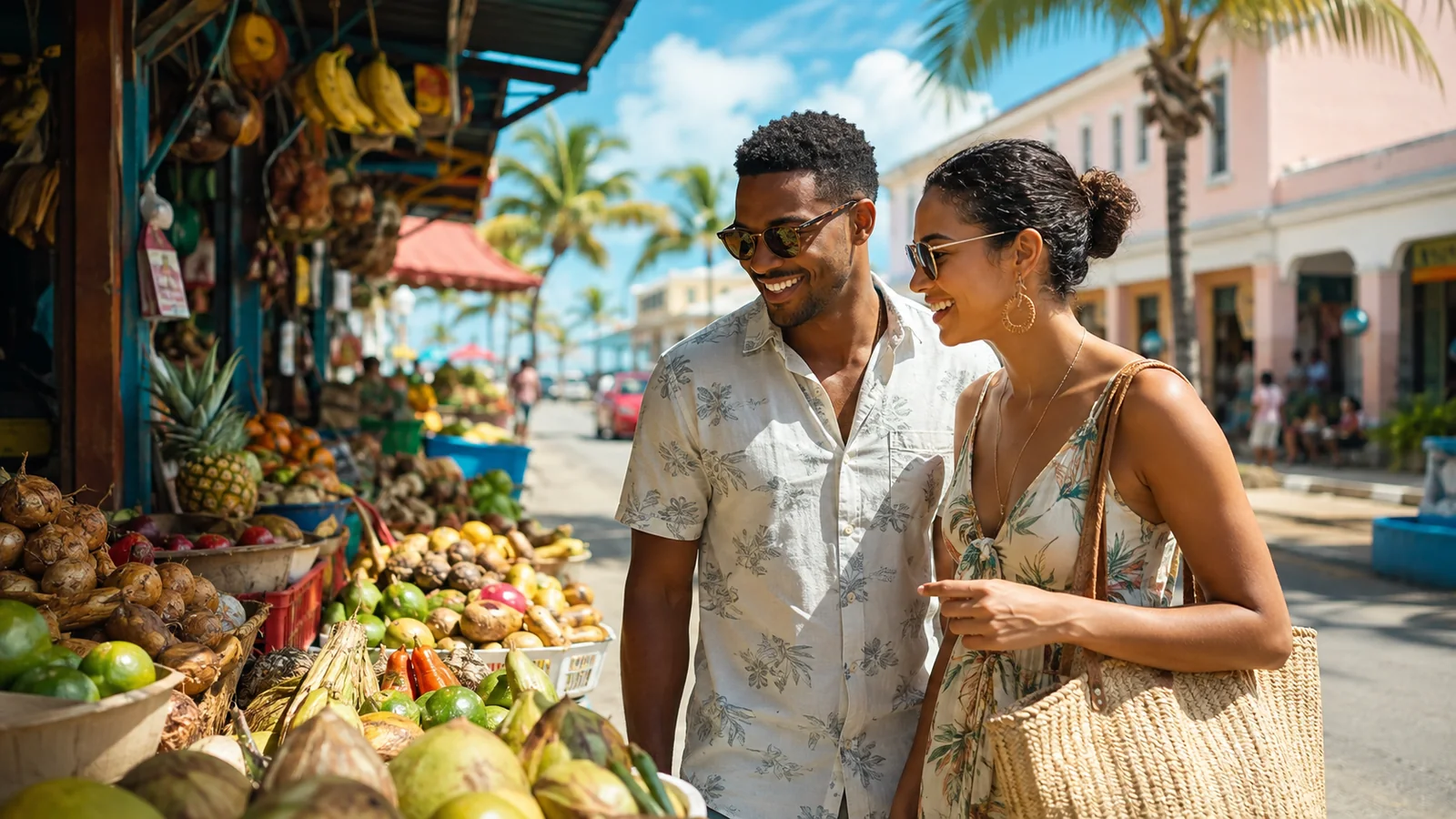
Märkte und Straßenverkäufer bieten oft besonders unvergessliche Esserlebnisse. Behandle sie aber als echte lokale Unternehmen, nicht als für Besucher inszenierte Attraktionen. Frage nach Verfügbarkeit, folge dem Tempo des Verkäufers, halte gegebenenfalls kleines Bargeld bereit und achte vernünftig auf Lebensmittelhandhabung und Flüssigkeitszufuhr. Wenn ein Creator oder lokaler Guide dich zu einem Verkäufer führt, nenne diese Quelle, statt die Entdeckung als eigene von Nomadic darzustellen.
Bestellen, bezahlen und praktische Umgangsformen
Kartenzahlung variiert nach Lokal und Insel. Halte etwas lokales Bargeld für kleinere Verkäufer bereit, bestätige nicht ausgeschilderte Preise vor der Bestellung und frage vor Fotos von Menschen oder Essenszubereitung in persönlichen lokalen Situationen. Speichere bei Allergien oder Ernährungseinschränkungen zusätzlich zur mündlichen Erklärung eine klare schriftliche Erklärung auf deinem Smartphone.
Ernährungsbedarf und Vorplanung
Vegetarische, vegane, glutenbewusste und allergiegerechte Angebote können in manchen Touristengebieten leicht zugänglich und anderswo weniger vorhersehbar sein. Kontaktiere wichtige Restaurants vor der Reise, nimm medizinisch notwendige Mittel mit und vertraue bei einer ernsten Allergie nicht auf automatische Übersetzung oder einen Social-Media-Kommentar. Es geht nicht darum, Spontaneität zu verhindern, sondern unverzichtbare Anforderungen zu klären, bevor du hungrig ankommst.
Digital Continuity für einen kulinarischen Tag
Saint Lucias Gelände macht mobile Daten besonders nützlich bei geänderten Transportplänen, längeren Straßenfahrten als erwartet oder Absprachen zur Boots- oder Taxiabholung. Eine gute Digital Continuity-Einrichtung verbindet installierte eSIM, Offlinekarten, gespeicherte Unterkunftsadressen und Stromplanung für lange Ausflugstage.
Nutze Daten für Wegbeschreibungen, Reservierungen, geänderte Öffnungsinformationen und Nachrichten, speichere Restaurantadressen und Buchungen aber auch offline. Ein kulinarischer Reiseplan funktioniert am besten, wenn die Verbindung Spontaneität unterstützt, statt dich bei jeder Änderung zum Hotel-Wi-Fi zurückzuzwingen.
Fragen von Reisenden
Direkte Antworten.
Welches Essen sollte ich in Saint Lucia probieren?
Beginne mit den lokalen Gerichten dieses Ratgebers und frage dann nach Saisonangeboten und Spezialitäten des Lokals, statt nur das bekannteste Gericht zu bestellen.
Brauche ich Bargeld fürs Essen?
Kartenzahlung variiert. Halte auch bei gewöhnlicher Kartennutzung etwas lokales Bargeld für kleinere Verkäufer und Märkte bereit.
Sollte ich Restaurants reservieren?
Reserviere beliebte Restaurants, Erlebnisse mit Küchenchefs und Festivalessen. Einfaches Straßen- und Marktessen gelingt besser mit Flexibilität.