
Quick answer
Willemstad Music, Art & Culture Calendar is a strong reason to plan a trip to Curaçao, but the experience works best when the event logistics are handled first. Verify the current edition, book the capacity-limited pieces, plan the return journey, save tickets and meeting points offline, and keep mobile data available for maps, transport and group coordination.
Why travel for Willemstad Music, Art & Culture Calendar
Willemstad's year-round cultural calendar can include live music, art, food, street activity and heritage programming across neighbourhoods such as Punda, Otrobanda, Pietermaai and Scharloo. This guide helps travellers use the current Curaçao calendar rather than chasing an outdated list of one-off events.
For Nomadic, an event guide is not a press release and it is not a list of acts. The useful question is what changes for a traveller because this event is happening: where to sleep, what to book first, how late the night may run, how road or marine access changes, what must be saved offline and how much flexibility to leave around the fixed parts of the calendar.
Understand the event before you book
The city itself is the cultural frame. Combine current events with architecture, galleries, restaurants and neighbourhood walks so the evening has context beyond the performance.
A music-led trip to Curaçao works best when the event anchors the evening and the destination owns the rest of the day. Protect sleep, transport and recovery time instead of building a normal sightseeing schedule around several late nights.
Use the official organiser or tourism links attached to this guide for the current edition. Recurring Caribbean events can change route, venue, ticket partner, start time, artist lineup or programme structure from one year to the next. The stable cultural context belongs in this guide; the annual operating details should always be checked again before money is spent.
When to build the trip around it
The current planning note for this guide is: Year-round / verify calendar. Treat that as a season marker rather than a permanent date. Once the current edition is announced, work backward from the hardest-to-replace pieces — flights or ferries, accommodation, costume or premium ticket products, and any transport that becomes scarce after the event.
Check the official island events calendar shortly before travel because smaller cultural programmes can be announced closer to the date. Confirm whether an event is free, ticketed or venue-based.
Leave at least one lighter block before or after the main event. That margin is useful when flights arrive late, weather changes, a programme runs longer than expected or you simply need recovery time. The best event trips feel connected to the destination rather than like a sequence of queues and transfers.
Where to stay and how to shape the rest of the trip
Punda & Otrobanda
The historic centre around the Queen Emma Bridge is the natural urban starting point.
Pietermaai & Scharloo
Colourful architecture, restaurants, nightlife and street art extend the Willemstad experience beyond the main shopping streets.
Westpunt & Bandabou
The western side is beach- and nature-heavy, with coves, snorkelling and access toward Christoffel.
Do not choose accommodation only by beach quality or nightly rate when the event is the reason for travelling. A slightly less glamorous base can be the better choice if it removes a difficult late-night transfer. Conversely, if the event is only one evening in a longer holiday, it may be smarter to keep the base that works for the wider trip and arrange transport specifically for the event.
Tickets, reservations and official information
Use official ticket links and recognised organisers. Screenshot or save the confirmation immediately after purchase, but keep the original email or account login available as well. If an event requires wristband collection, costume pickup, registration or a separate shuttle product, put that task into the itinerary rather than assuming it will fit casually into event day.
For creator-led or community events, also check the organiser's rules on cameras, drones, professional equipment and commercial content. A public ticket does not automatically grant commercial image rights.
Getting there — and getting home
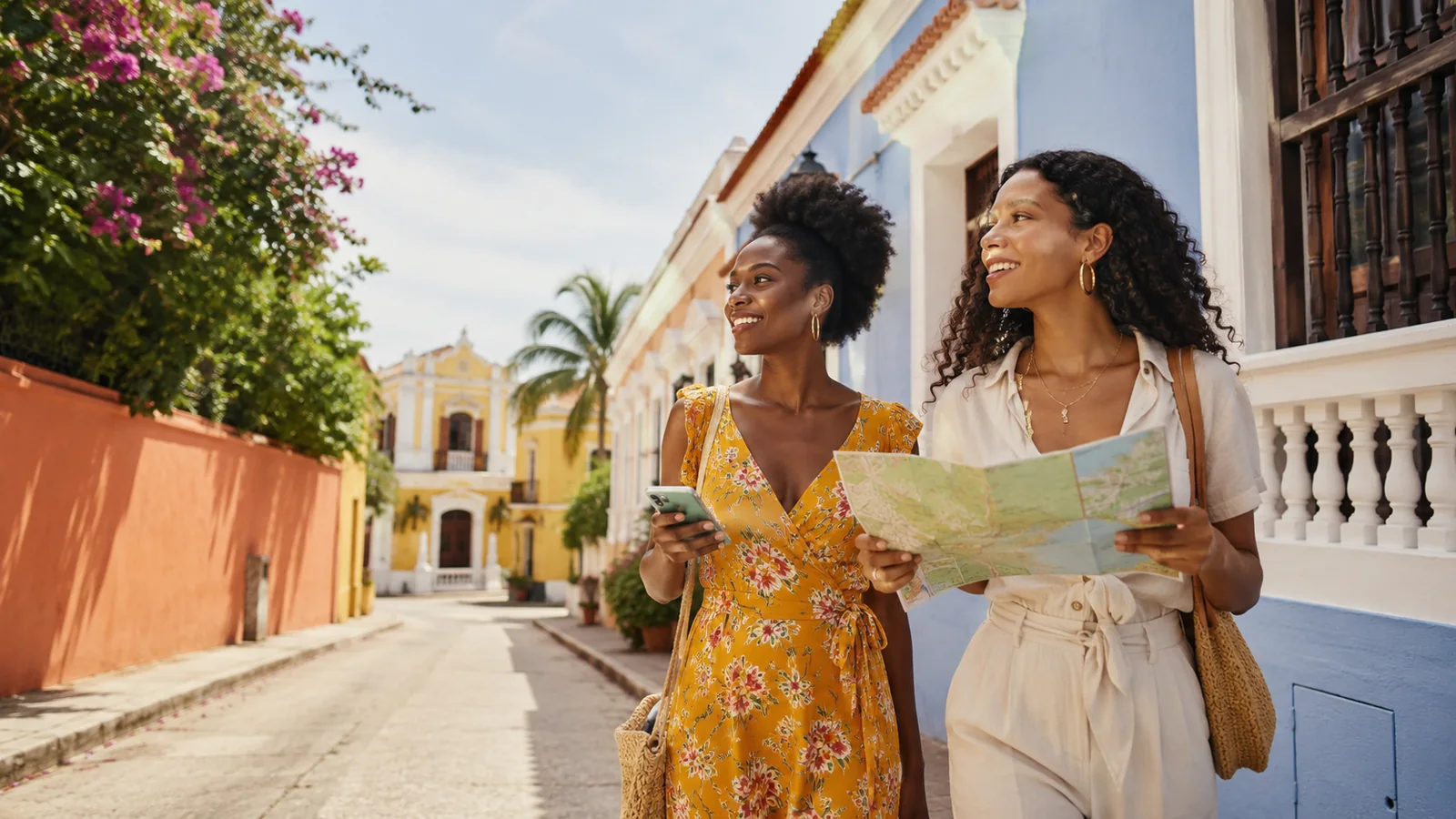
Curaçao is easy to learn on a map but many beaches and nature sites are spread out. Official tourism guidance recommends maps/offline map tools, and a rental car is the most flexible choice for Westpunt, Christoffel and beach hopping. Taxis and buses/minibuses exist, but a city-only transport plan is different from an island-exploration plan.
Central Willemstad is walkable in clusters, but late-night transport back to beach/resort areas should be planned before the event ends.
The return journey deserves its own plan. Event exits concentrate thousands of decisions into the same hour: rides, taxis, road closures, ferries, parking and group coordination all become harder at once. Decide the pickup zone and fallback before entering, and make sure at least two people in the group have the transport details.
Money, tickets and payment fallback
Do not make one card, one app or one phone battery the only way the group can pay or enter. Keep the official ticket in its original account or email as well as an offline copy, carry a second payment method where practical, and keep some local cash for transport or smaller vendors when the destination context supports it. Before buying from a social-media link, confirm that the seller is the organiser or an authorised ticket partner.
Event travel also creates more small transactions than a normal sightseeing day: food, water, transport, lockers, merchandise and last-minute changes. Decide a realistic spending limit before the event and separate emergency transport money from the amount you expect to spend inside.
What to wear, carry and download
- Ear protection if you are sensitive to sustained high volume.
- A compact power bank and short cable.
- Offline ticket screenshots and the exact venue/pickup pin.
- A light rain layer or sun protection depending on the venue and time of day.
Carry less than you think you need. Long event days are easier when the phone, payment method, identification and essentials can all be secured without a large bag. If water, paint, mud, beach conditions or rain are part of the event, protect the phone accordingly and do not depend on one device for every ticket and contact.
Local context and respectful participation
Support local artists and venues, credit work properly and ask before photographing gallery pieces or performers where rules are not obvious.
Willemstad can make Curaçao feel like a city break, but many of the island’s best beach and nature experiences are a drive away. A balanced trip usually combines walkable city days with one or two deliberate car days.
Nomadic Guides should make visitors more informed, not more extractive. If a local photographer, videographer, artist, chef or creator helps explain the event, link to their work visibly and record the permission or licence basis in the article metadata. Do not lift social content simply because it is public.
Digital Continuity for event day
Curaçao is a strong self-drive destination, so mobile data has immediate practical value for maps, parking, restaurant reservations, beach navigation and route changes. Offline maps remain important because the best day trips often move away from the dense urban core.
- Install and test the travel eSIM before the main event day while reliable Wi-Fi is available.
- Save ticket QR codes, accommodation details, event maps and the transport pickup point offline.
- Download the relevant map area and keep one written or screenshot version of the accommodation address.
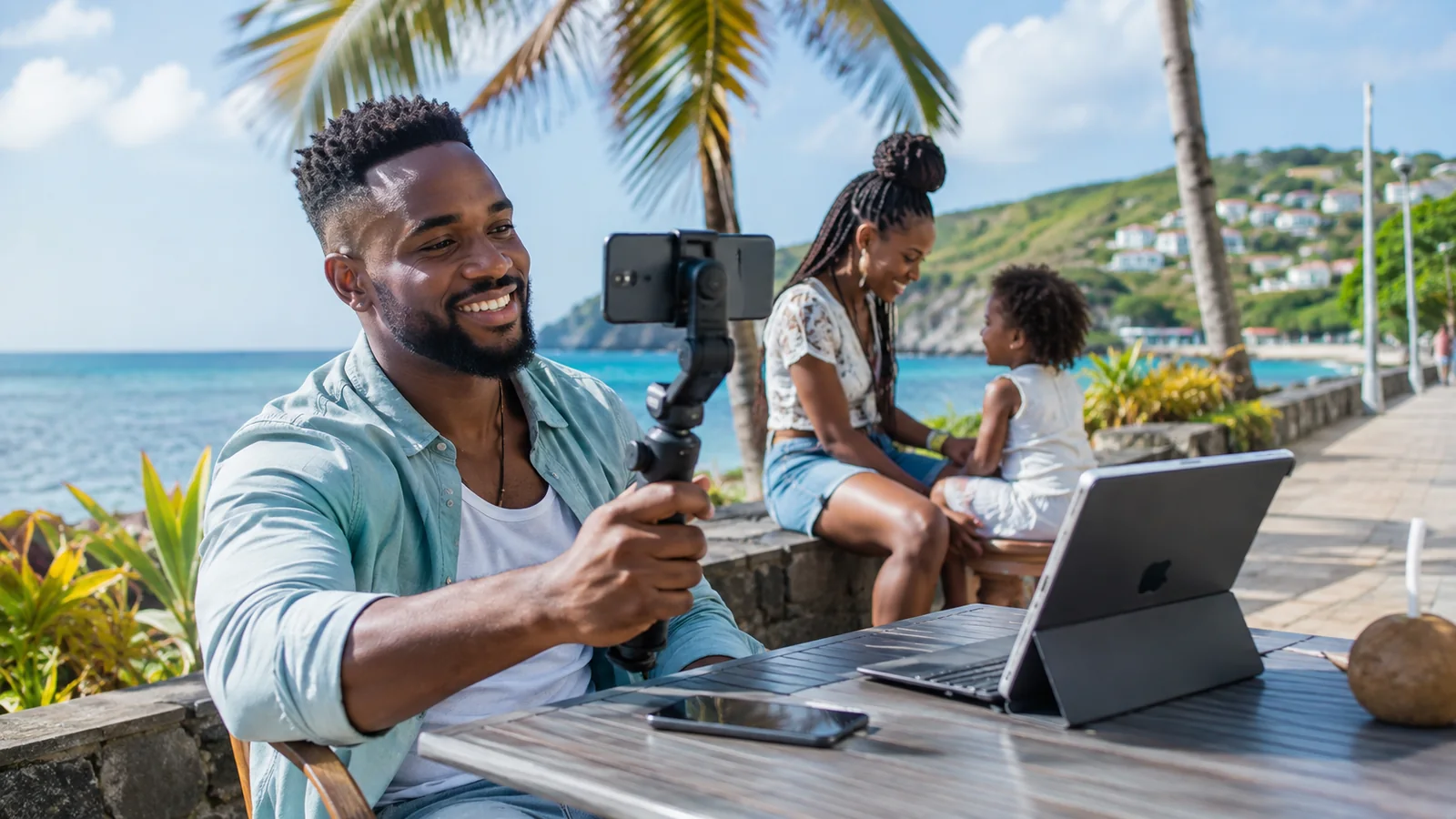
- Carry enough battery for the full day and reserve power for maps, tickets and coordination before social uploads.
- Agree on a physical meeting point in case the group becomes separated or mobile networks are congested.
- If you create content, queue large video uploads for dependable Wi-Fi unless a live post is genuinely time-sensitive.
Crowded events can put unusual pressure on mobile networks even when everyday coverage is good. The goal is not to promise perfect connectivity; it is to make the trip resilient when the network, battery or app you expected to use becomes the weak link.
If the plan changes
Weather, artist schedules, road access, marine conditions and crowd management can all change an event day. Decide in advance which parts of the trip are non-negotiable and which can move. If the event is delayed or cancelled, use the saved destination hub to redirect the day toward a nearby food, culture, beach or heritage experience instead of improvising from scratch while everyone is tired.
Keep organiser notices and transport contacts easy to reach, but verify significant changes through an official channel before acting on a forwarded screenshot or group-chat rumour. That small discipline is part of Digital Continuity too: reliable information matters as much as reliable data.
Add more of Curaçao around the event
Use the wider Nomadic Curaçao guide hub to add food, neighbourhoods, beaches, nature or heritage around the fixed event schedule. One deep local day usually adds more to an event trip than trying to collect five unrelated attractions between a late night and the next ticketed programme.
If the event brings you into a city or community you would not otherwise have visited, stay long enough to understand the place outside the venue. That is where a festival trip starts to become destination travel.
What to verify immediately before publication or travel
- Current event dates, start times, route or venue and official ticket partner.
- Accommodation availability and any minimum-stay rules during the event period.
- Road closures, ferry/flight schedules, parking, shuttle and late-night transport arrangements.
- Bag, camera, age, costume, entry or wristband-collection rules.
- Weather, marine or other operating conditions that can affect outdoor programming.
- The latest official tourism and organiser notices linked in this guide.
Questions travellers ask
Direct answers.
When should I book Willemstad Music, Art & Culture Calendar?
As soon as the current official dates are confirmed, secure the hardest-to-replace pieces first: accommodation, major tickets or costume products, and difficult transport. Smaller flexible activities can be added later.
Where should I stay for Willemstad Music, Art & Culture Calendar?
Choose the base by the event's actual location and your wider Curaçao itinerary. A hotel that removes a difficult late-night transfer can be more valuable than one that is marginally cheaper or closer to the beach.
What should I save offline before the event?
Ticket QR codes, event map or route, accommodation address, transport contact, meeting point and any collection or entry instructions should all be available without mobile service.
Do I need an eSIM or mobile data for Willemstad Music, Art & Culture Calendar?
Mobile data is extremely useful for coordination, live maps, rides and changes, but crowds can stress networks. Install the eSIM before event day and keep the essential information offline as a fallback.